Allergens Tracked From Receiving To Label, With AI On The Last Check
PEAL labelling under FSANZ Standard 1.2.3 means precise prescribed terms, bold formatting, and consistent placement — getting any of it wrong creates real consumer risk and recall exposure. QTRACA tracks allergens through every step of manufacturing and uses AI Label Review to catch errors before the label is printed.
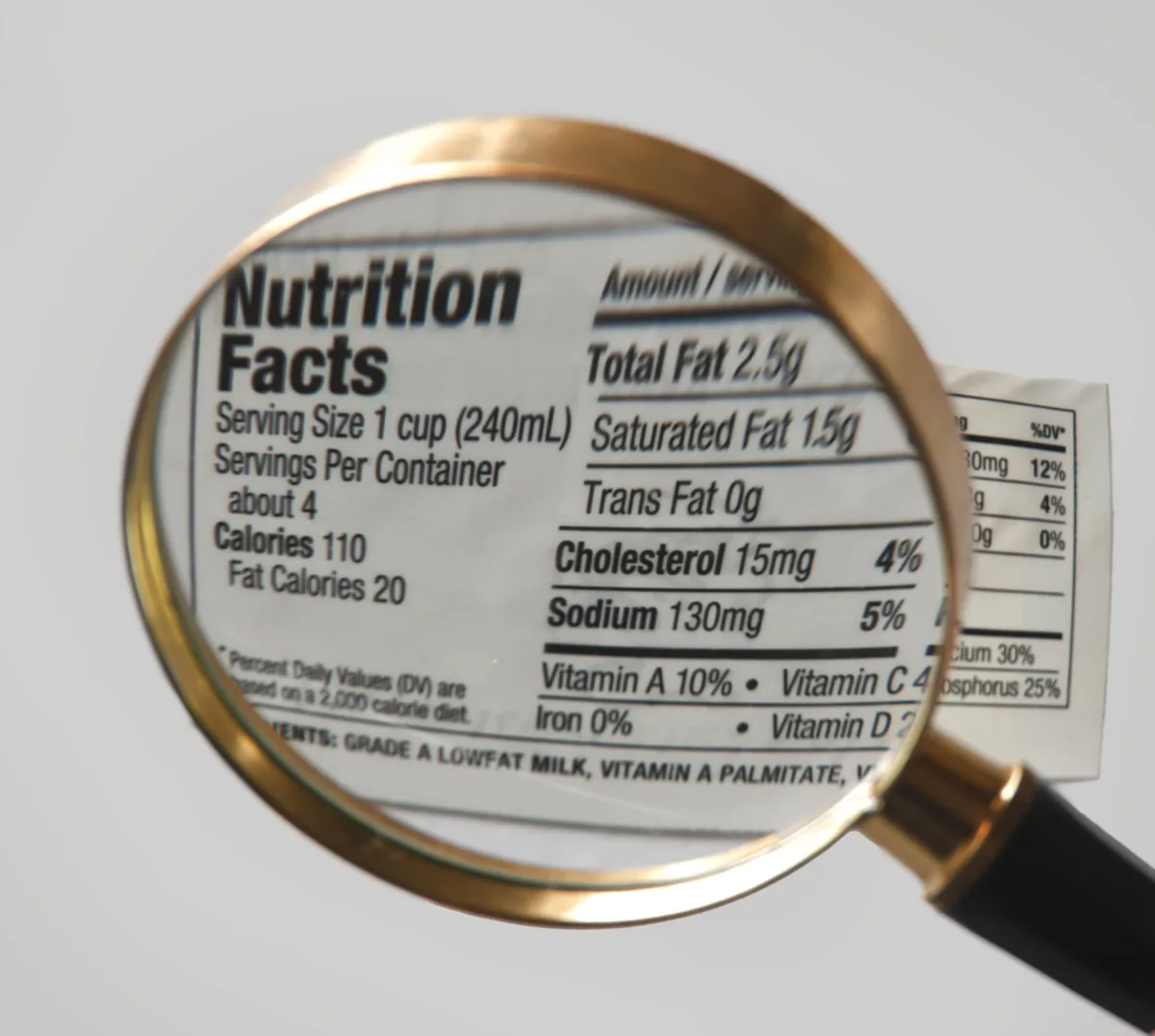
PEAL Is Specific. The Cost Of Getting It Wrong Is High.
Plain English Allergen Labelling under FSANZ Standard 1.2.3 is more prescriptive than the labelling rules it replaced. Allergens must be declared using specific prescribed terms in bold text, both within the ingredient list and in a separate summary statement. The format and placement rules are not optional. PEAL became fully mandatory in February 2024 after a three-year transition period.
The cost of getting it wrong is real. An undeclared or misformatted allergen on a label is not a paperwork error — it is a public health risk that triggers immediate consumer warnings, retail removal, and product recall. The recall cost is multiplied by reputation damage, retail contract pressure, and potential regulatory action under the Food Standards Code.
QTRACA was built in NZ and serves AU/NZ food manufacturers, so PEAL compliance is not a bolt-on feature — it is built into the allergen management pipeline from supplier receiving through to AI Label Review. The aim is to make a PEAL-compliant label the easy path, with the platform catching errors before they become recalls.
From Ingredient Receipt To Compliant Label
Allergen Profiles Captured At Receiving
Every ingredient enters QTRACA with its allergen profile attached: which of the 12 FSANZ-declarable allergen groups are present, supplier specifications confirming the profile, and the lot-level records that prove what was received. From that point forward, the allergen profile follows the ingredient through every batch and finished good.
- Allergen profile attached to every ingredient at receiving
- Supplier specification verification against incoming product
- All 12 FSANZ-declarable allergen groups supported
- Cross-contact risk flagged at supplier level (“may contain” warnings)
- Supplier allergen documentation stored and version-controlled
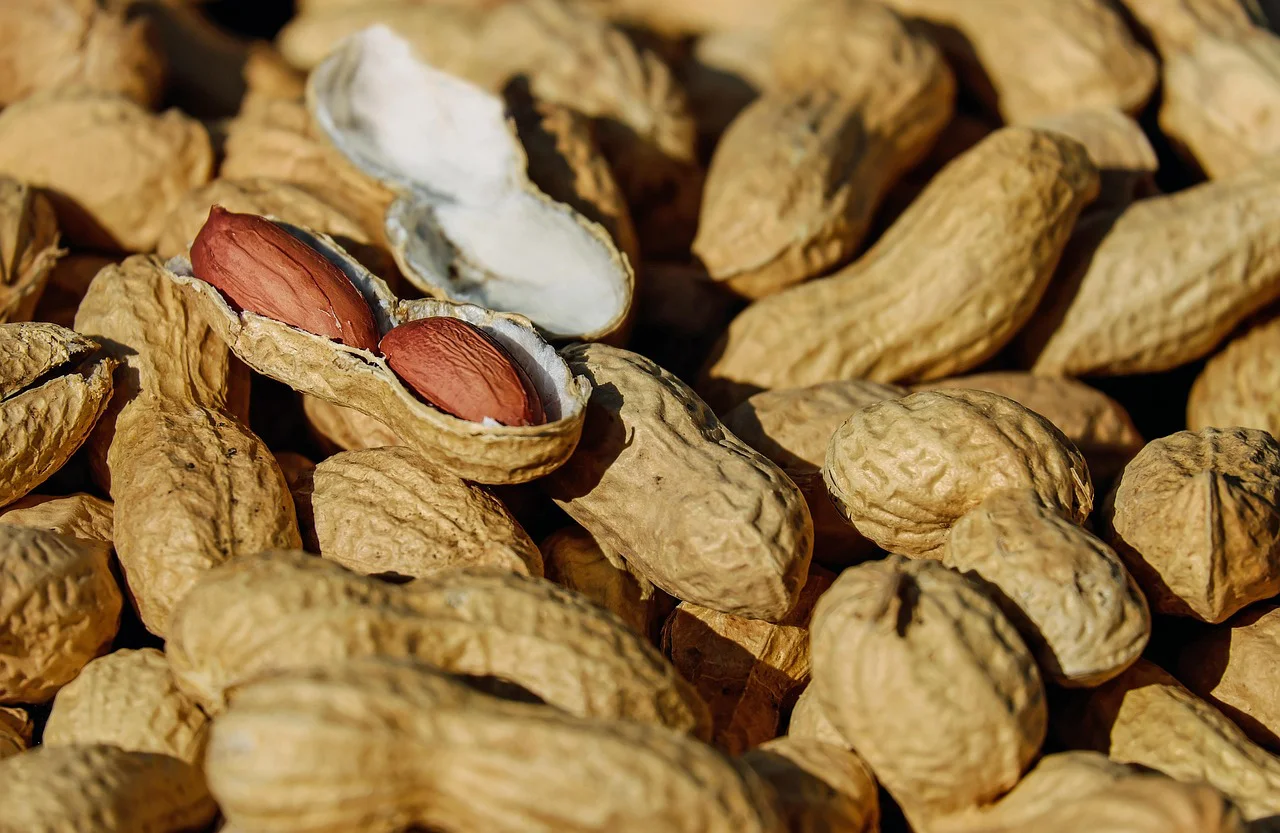
Allergens Follow Recipes To Finished Goods Automatically
An ingredient’s allergen profile propagates through every recipe it enters. The finished good’s declared allergens are calculated from the recipe, not entered manually from memory. If a supplier reformulates an ingredient or you swap to a new supplier with a different allergen profile, every finished good that uses the ingredient updates automatically.
- Recipes inherit allergen profiles from ingredients automatically
- Finished goods declare allergens from the recipe, not from manual entry
- Supplier reformulation flags every affected finished good
- Recipe version control links to label revisions
- PEAL prescribed-term mapping built into the finished-good allergen profile

Catch Label Errors Before The Print Run
The last line of defence in PEAL compliance is the label itself. QTRACA’s AI Label Review compares finished label artwork against the recipe-derived allergen profile, flagging discrepancies in declared allergens, prescribed terms, bold formatting, ingredient list order, and summary statement placement. The aim is to catch errors before the label is printed, not after a consumer reports a reaction.
- AI compares label artwork against the recipe-derived allergen profile
- Checks PEAL prescribed terminology and bold formatting
- Validates allergen summary statement against ingredient declarations
- Catches mismatches before print runs are committed
- Audit trail of every label review and approval for compliance defence

Production Scheduling That Respects Allergen Boundaries
Running an allergen-free product right after an allergen-containing product on the same line is one of the most common ways allergen cross-contact happens. QTRACA flags allergen conflicts in production scheduling, links cleaning SOPs to the specific allergens being controlled, and captures cleaning validation records before the next batch begins.
- Production schedules flag allergen-conflicting batch sequences
- Cleaning SOPs linked to the specific allergens being controlled
- Cleaning validation records (visual, ATP, allergen-specific swabs) captured
- Cleaning records linked to the next batch in line for audit defence
- Allergen incident workflow for any breach in segregation
Use Precautionary Labelling Where It Is Actually Warranted
PEAL discourages the over-use of “may contain” or “may be present” statements that became common under the previous labelling rules. The statement should reflect a genuine cross-contact risk that cannot be eliminated through segregation and cleaning. QTRACA links every “may contain” statement to the underlying risk assessment and to the controls that justify the statement.
- Cross-contact risk assessment for each “may contain” statement
- Linkage to segregation, cleaning, and validation controls
- Periodic review workflow as controls or supplier profiles change
- Audit trail of risk-assessment decisions for regulator review
- Removes “may contain” statements when the risk is no longer present
Allergen Recalls Need The Same Traceability As Pathogens
An undeclared allergen incident triggers the same recall workflow as a pathogen contamination: identify every affected batch, every finished good, every customer. Because QTRACA tracks allergens from ingredient receipt through to finished label, the recall scope for an allergen incident is precise from the moment it is identified.
- Allergen-triggered recall workflow with one-click batch isolation
- Identification of every product with the same allergen mislabel
- Customer notification list generated from shipping records
- Linkage to MPI Compliance or FSANZ notification workflows
- Recall effectiveness reporting aligned to regulatory and retail requirements

How QTRACA Changes Daily Allergen Work
For a food manufacturer running QTRACA, allergen management shifts in three ways that compound over time:
Allergen data is captured once, used everywhere
Supplier specifications enter QTRACA at receiving. Recipes pull the data automatically. Labels are built from the recipe data. Cleaning SOPs reference the same allergen list. There is no second source of truth that can drift.
Label errors are caught before the print run
AI Label Review compares the artwork against the recipe-derived profile every time a label is finalised. The kind of mistake that previously generated recall risk — a missed bold term, a misplaced summary statement, an outdated allergen list — gets flagged before any product ships.
An allergen recall, if it ever happens, is fast and tight
The same traceability that drives a contamination recall drives an allergen recall: ingredient lot → batches → finished goods → customers. Scope is precise; outreach is fast; recall effectiveness is documented.
Allergen incidents are among the most damaging recall categories because they affect vulnerable consumers and trigger immediate public response. The right time to invest in allergen management is before, not after.
QTRACA Allergen Management FAQ
See How QTRACA Manages Allergens End-To-End
Book a 30-minute walkthrough, or start a 15-day free trial with full feature access. No credit card required.
More From the QTRACA Blog
PEAL Compliance Is No Longer Optional
The PEAL grace period closed 25 February 2026. Every packaged food product in AU and NZ must now meet the full labelling rules.
Read article →The Hidden Cost of Allergen Recalls
Undeclared allergens represent 48% of all food recalls. The five elements of an effective allergen labelling process.
Read article →