From "We Have A Problem" To Scoped Recall In Minutes
When a supplier issues a recall or a customer complaint identifies a contamination, every hour of delay widens the scope, raises the cost, and damages the brand. QTRACA gives you one-click batch isolation: from problem ingredient to every affected finished good and every customer in seconds.

Why Most Recalls Take Longer Than They Should
When a supplier calls at 4pm on a Friday to say a specific ingredient lot has been recalled, the next eight hours determine the cost. Which of our products contain this ingredient? Which batches? Which finished goods? Which customers have received them? Most food manufacturers answer those questions by cross-referencing four or five systems — receiving records, batch logs, inventory spreadsheets, shipping documents, customer files — under deadline pressure.
The result is predictable: recall scope is broader than it needed to be (because you cannot prove which batches were affected, you recall everything), customer notification is slower than it should be (because the customer list is being reconstructed manually), and recall effectiveness is harder to demonstrate (because the records are in five places). The product loss, brand damage, and regulatory exposure all scale with the time it takes to act.
QTRACA collapses the cross-referencing into a single query because the data is already linked. Ingredient lot → batch → finished good → customer is one continuous chain in the platform, not five disconnected systems. The recall workflow becomes "enter the lot code and review the scope" rather than "spend the weekend reconstructing what happened."
Built On End-To-End Traceability
From Problem Lot To Affected Scope In Seconds
Enter the problem ingredient lot code. QTRACA returns every batch that used the ingredient, every finished good produced from those batches, and every customer who received those finished goods. The recall scope is defined by data, not estimated by memory.
- One-click query: ingredient lot → batches → finished goods → customers
- Quantity, batch number, and ship date for every affected unit
- Tight recall scope — recall only what is actually affected
- Reverse trace: from a customer complaint backwards to the source ingredient
- Audit trail of every query and decision for regulator review
The Customer Contact List Builds Itself
For every affected finished good, QTRACA pulls the customer list from shipping records: who received the product, how much, on what date, where to deliver replacements. The notification list is in your hands the moment the affected scope is defined — not after another hour of pulling spreadsheets.
- Customer list generated from shipping records, not reconstructed manually
- Contact information, shipping dates, and quantities per customer
- Export to formats that work with email, SMS, and phone outreach
- Notification status tracking: who has been contacted, who has acknowledged
- Customer-specific recall letters generated from the notification list
Prove Your Recall Capability Before You Need It
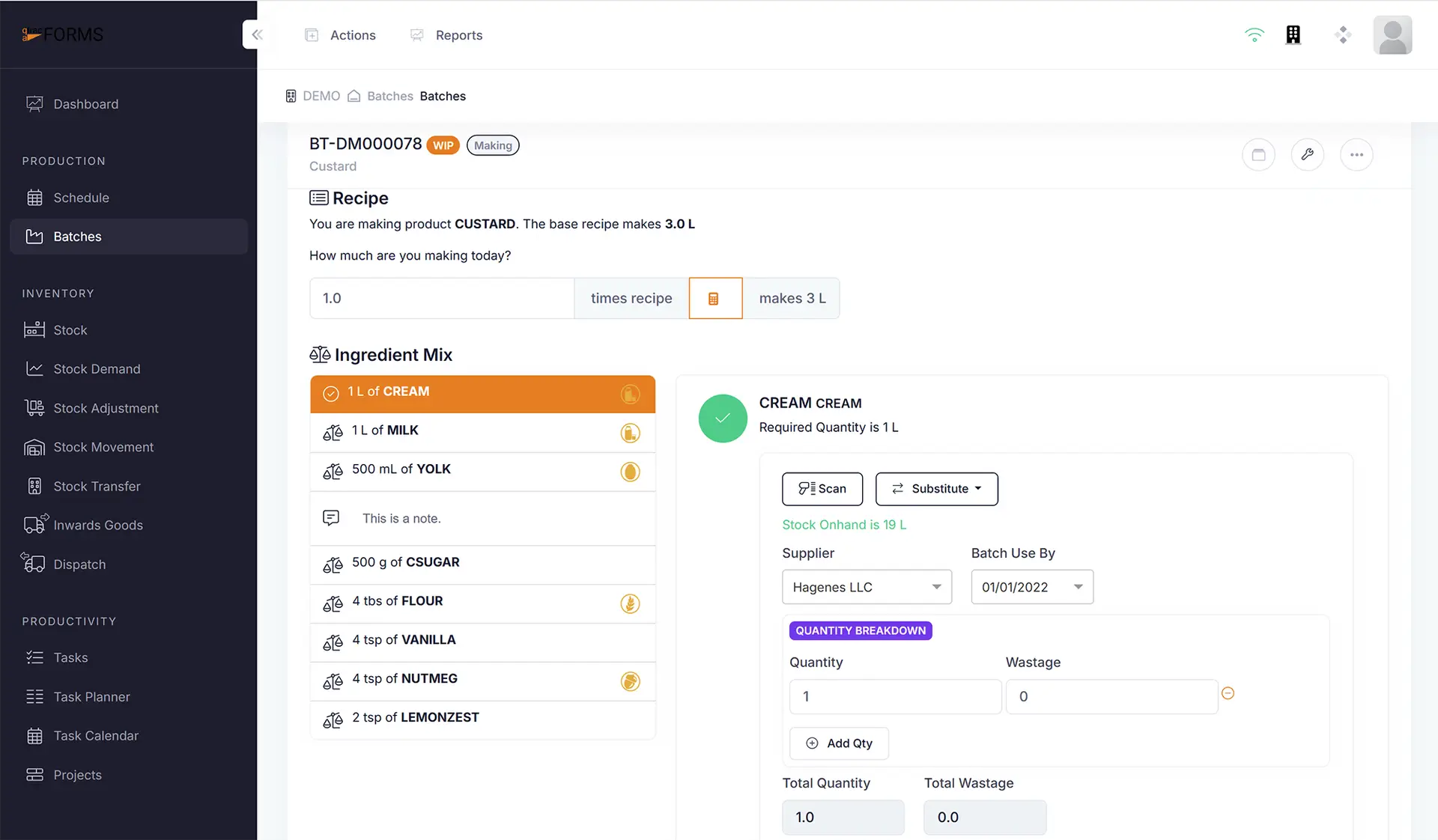
Mock recalls are required by SQF, BRCGS, FSSC 22000, and most GFSI-recognised certifications. They are also the single best practice for a food manufacturer that wants to know their recall capability works. QTRACA generates mock recall exercises against any historical lot and produces the recall effectiveness report auditors expect to see.
- Mock recall against any historical ingredient lot or finished good
- Recall scope and customer list generated as if real
- Time-to-completion tracking: how fast did the team execute
- Recall effectiveness report aligned to SQF, BRCGS, FSSC 22000 requirements
- Mock recall records stored as audit-ready evidence
Trace From Complaint To Cause In Minutes
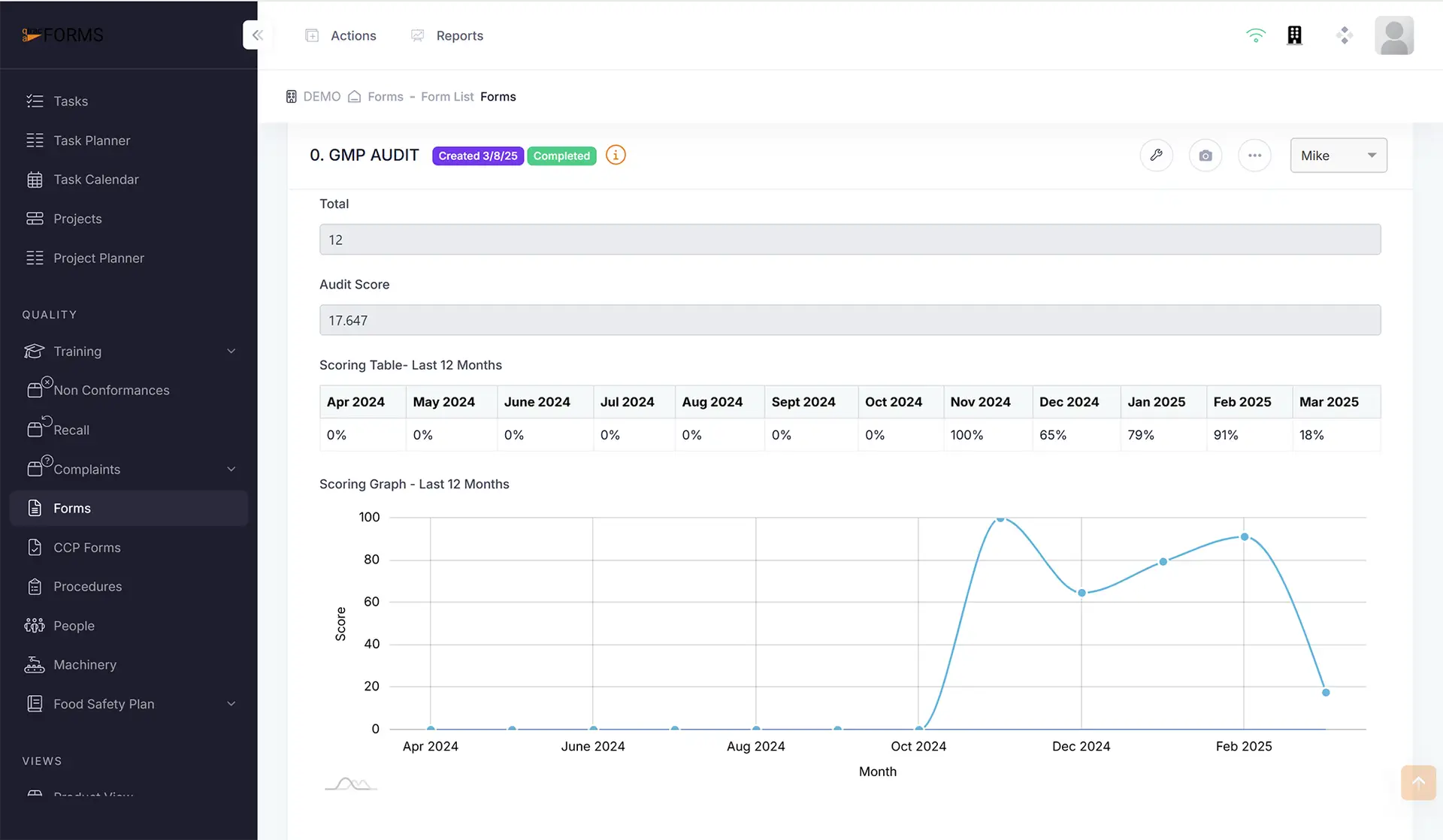
Not every quality incident becomes a recall. Most start as a customer complaint mentioning a specific batch or lot code. QTRACA traces backwards from the complaint to the batch, the ingredients, the suppliers, and the HACCP records for production — usually fast enough to resolve the complaint without it escalating.
- Reverse trace from a complaint batch code to the source ingredients
- HACCP records, sensor readings, and CCP validations for the affected batch
- Other customers who received product from the same batch
- Root-cause analysis with structured data, not reconstructed memory
- CAPA workflows triggered automatically from the complaint record
Track Recovery, Prove The Recall Worked
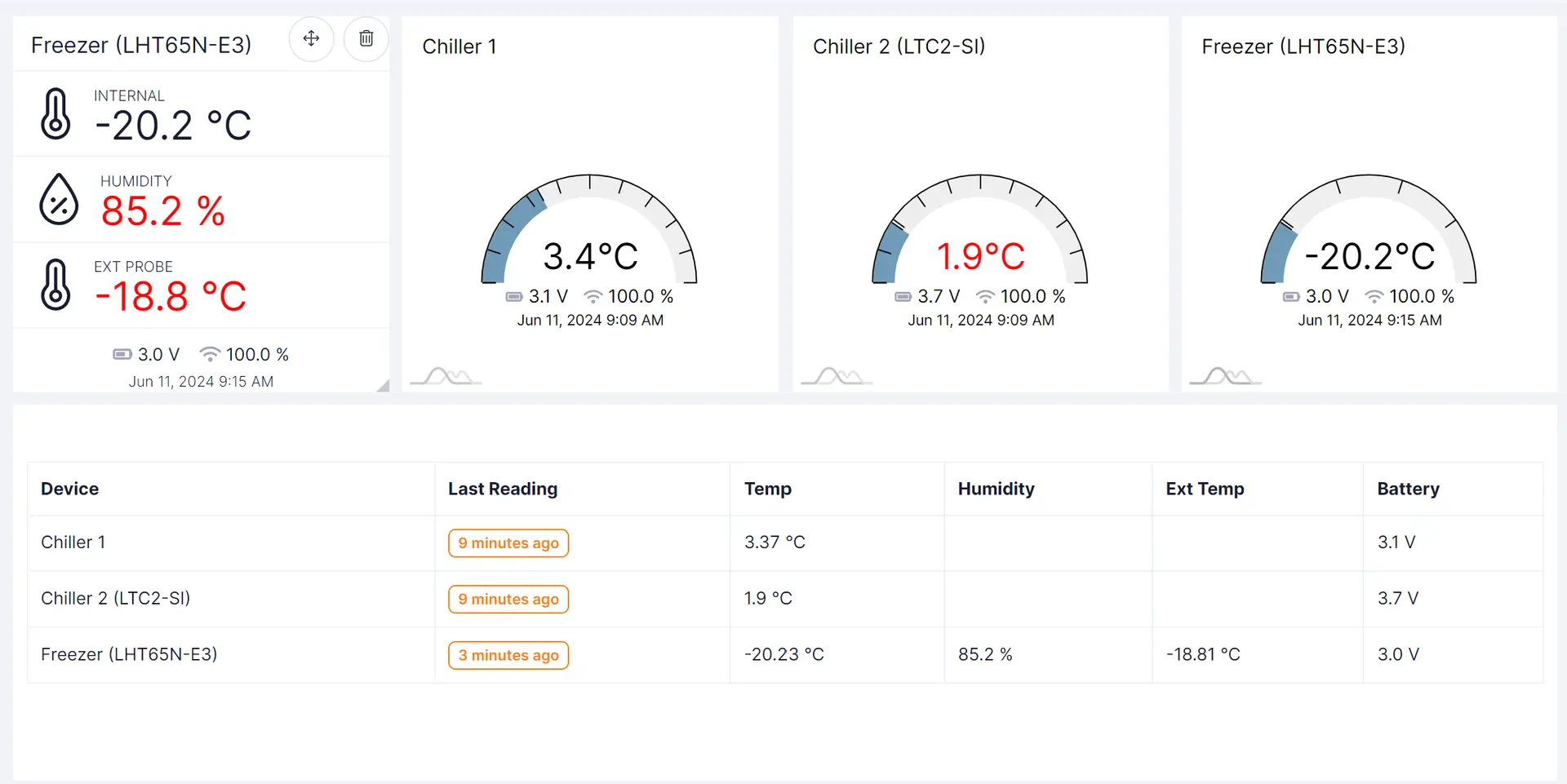
After a recall is executed, regulators and retail customers want evidence that it worked: how many units were recovered, where the remainder went, how quickly the recall reached its target. QTRACA tracks recall effectiveness automatically from recovery records entered as the recall progresses.
- Recovery rate tracking: units recalled vs units recovered
- Time-to-completion metrics for the recall lifecycle
- Customer-by-customer recovery status
- Disposition records: returned, destroyed, reworked, retained
- Effectiveness reports for FDA, MPI, FSANZ, retail customers, and GFSI auditors
The Same Records That Drive Recalls Satisfy Regulators
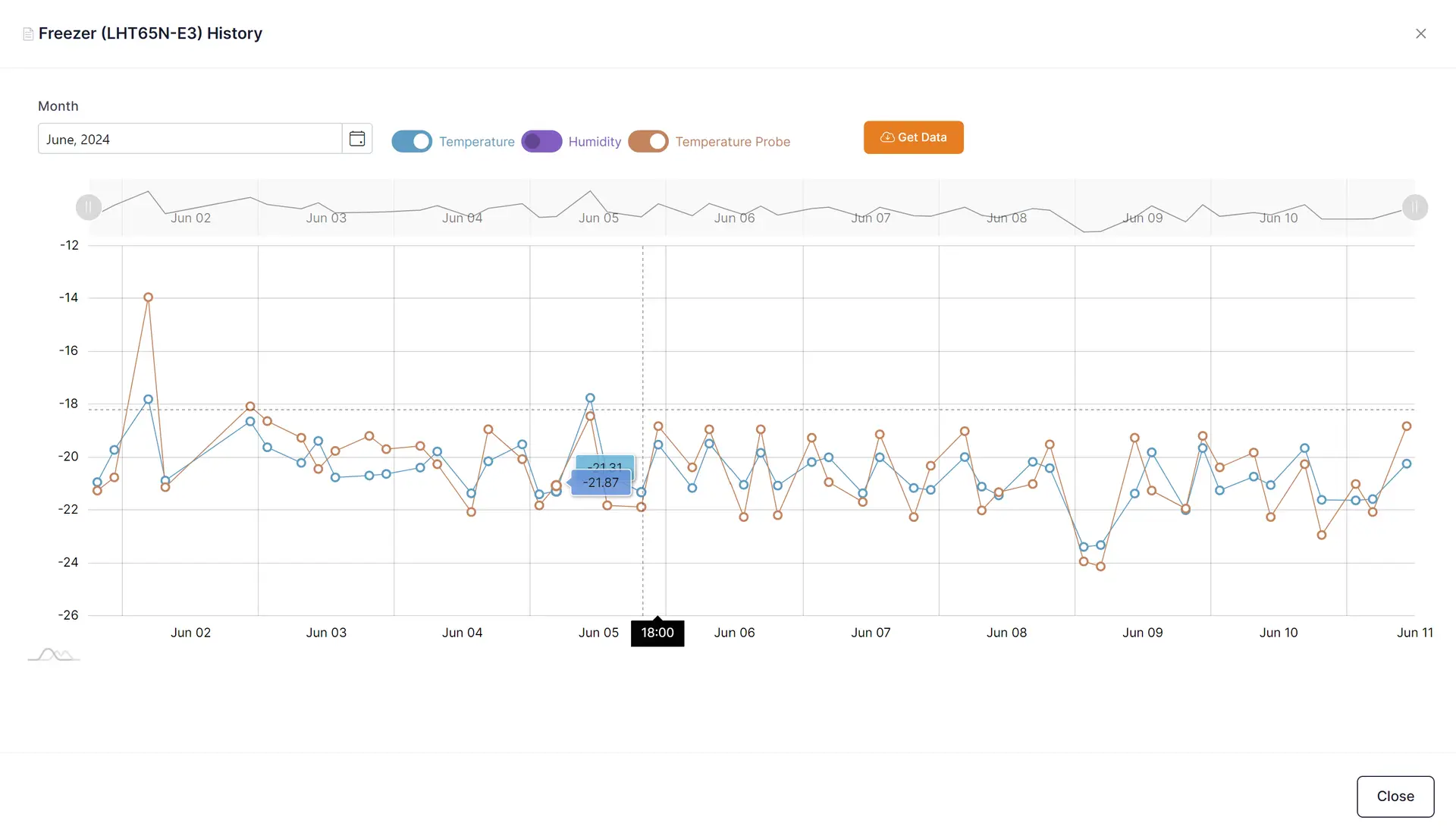
The structured traceability data that drives QTRACA recalls is the same data required by FSMA 204 for Food Traceability List items, by MPI for Risk Management Programme verification, and by FSANZ for AU compliance. One platform; multi-region compliance; faster recalls as a side effect.
- FSMA 204 Critical Tracking Events and Key Data Elements captured natively
- MPI Risk Management Programme traceability records
- FSANZ-aligned traceability for AU manufacturers
- Export documentation linked to traceability data
- Recall capability that satisfies all three regulatory regions

How QTRACA Changes A Recall Scenario
For a food manufacturer running QTRACA, a recall scenario unfolds differently than it does with paper or disconnected spreadsheets:
Hour one is data, not panic
The supplier or customer notification comes in. The quality lead enters the affected lot or batch code into QTRACA and sees the affected scope: which batches, which finished goods, which customers, which dates, which quantities. The scope is precise.
Hour two is execution
The customer notification list is exported and the outreach begins. The recall scope is communicated to customers, regulators, and (if applicable) the FDA. The team knows exactly what is in scope and what is not.
Recovery tracking runs in parallel
As customers return product or confirm disposition, the records are entered against the recall. Recall effectiveness reporting builds automatically. By the time the recall closes, the effectiveness report is ready for regulators and retail customers.
The cost of a recall scales with how long it takes to act and how broadly you have to recall. Both are reduced by knowing exactly what is affected. That is what end-to-end traceability is for.
QTRACA Recall Management FAQ
See QTRACA Recall Capability Before You Need It
Book a 30-minute walkthrough, or start a 15-day free trial with full feature access. No credit card required.
More From the QTRACA Blog
The 300 Recall Problem: What Food Manufacturers Must Learn From 2025's Safety Crisis
Over 300 food recalls occurred in 2025. What's driving the recall epidemic and what manufacturers can do.
Read article →The New Year Recall Reality Check: Why Strong Traceability Systems Matter More Than Ever
The five pillars of effective traceability systems that protect against the rising tide of recalls.
Read article →