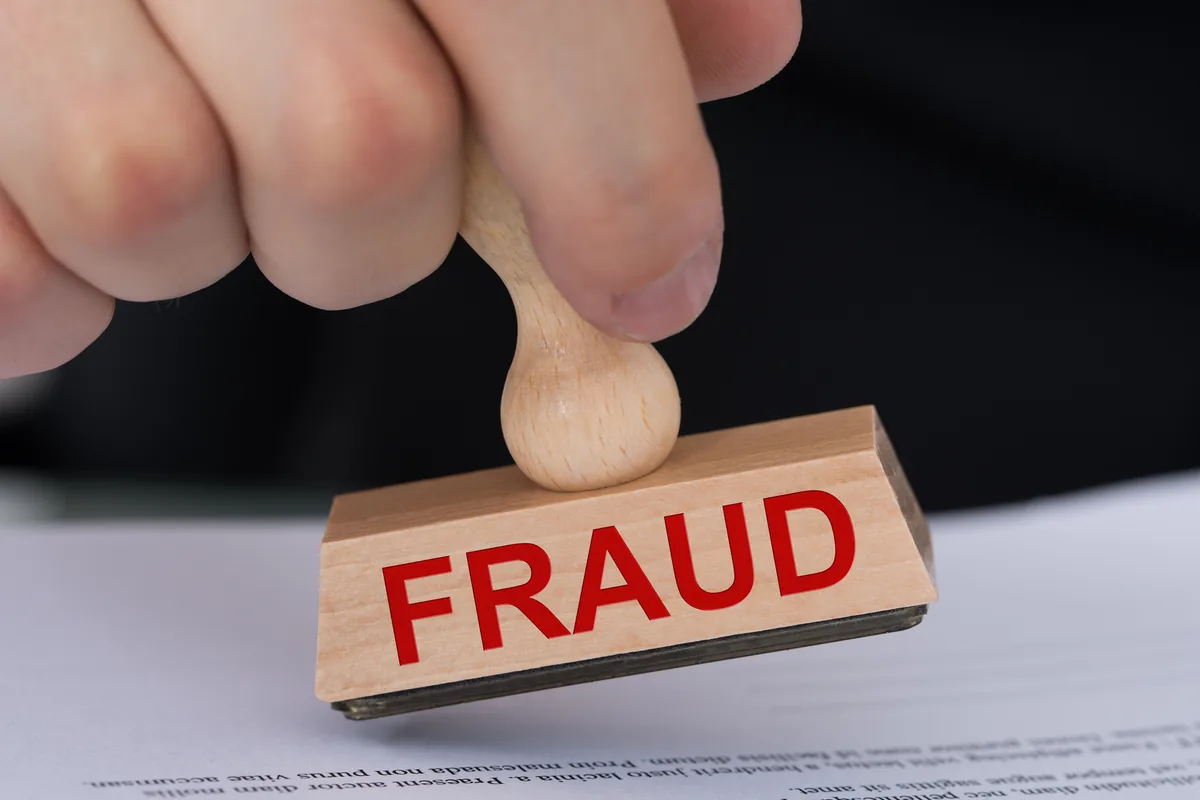
Your HACCP plan is designed to catch contamination. Your incoming goods checks are designed to catch quality failures. Your supplier approval process is designed to catch unreliable vendors.
None of them are specifically designed to catch deliberate deception.
That's the gap food fraud exploits — and it's getting wider.
The Problem Is Getting Worse, Not Better
Reported food fraud cases jumped 10% in 2024. Early data from supply chain consultants FoodChain ID pointed to the same rate of increase through 2025. There is little to suggest 2026 will be any different - geopolitical disruption, ingredient price volatility, and increasingly complex global supply chains are all still present, and all still creating the conditions that make fraud attractive to bad actors.
In April 2025 alone, the Joint Research Centre of the European Commission identified at least 36 major food fraud cases worldwide that resulted in mass seizures, business shutdowns, and criminal arrests.
And those are only the cases we know about.
"Food fraud trends are difficult to pin down because of the clandestine nature of food fraud," says Karen Constable, an international food fraud prevention expert. "Successful frauds do not appear in the data at all."
That last sentence is worth sitting with. The fraud cases that get detected and reported are the visible tip. The successful ones — the substitutions that passed through undetected, the mislabelled origins that nobody tested for — those never show up anywhere.
What Food Fraud Actually Looks Like
Food fraud isn't a single act. It covers a range of deliberate, economically motivated deception across the supply chain:
- Adulteration - adding undeclared or inferior substances to increase volume or reduce cost
- Substitution - replacing a valuable ingredient with a cheaper alternative (olive oil cut with seed oil, seafood mislabelled by species, honey diluted with syrup)
- Mislabelling - falsely describing a product's origin, composition, or production method
- Counterfeiting - copying packaging, branding, or certification marks to sell a fraudulent product
The common thread is intent. Food fraud is not an accident. It is a deliberate choice made by an economically motivated actor somewhere in your supply chain, designed to be invisible to the manufacturer receiving the goods.
When economic pressure rises - through ingredient price spikes, geopolitical disruption, or supply chain tightening - the incentive for suppliers to cut corners rises with it. Recent years have provided plenty of all three.
Why It's a Food Safety Issue, Not Just a Commercial One
Food fraud is often framed as a financial or brand integrity problem. That framing underestimates the risk.
When a supplier substitutes an ingredient your HACCP plan wasn't designed to account for, you may have introduced a hazard your critical control points won't catch. A substituted allergen that wasn't declared. A cheaper ingredient with a different microbial profile. An undisclosed additive that takes your product outside its approved specification.
If that product reaches a consumer and causes harm, the liability does not transfer to the supplier who deceived you. It lands with the manufacturer whose name is on the label.
This is why food fraud vulnerability assessment is now a formal requirement — not a best practice. Every major GFSI-benchmarked certification scheme, including SQF and BRCGS, requires a documented food fraud vulnerability assessment. FSMA-regulated facilities handling imported ingredients carry additional obligations under 21 CFR Part 117. If you hold a third-party food safety certification and don't have a documented assessment, you are already non-compliant.
What a Food Fraud Vulnerability Assessment Actually Involves
A food fraud vulnerability assessment (FFVA) is a risk-based process that identifies which ingredients, materials, or products in your supply chain are most vulnerable to economically motivated adulteration or substitution.
It works differently to your HACCP hazard analysis. HACCP focuses on unintentional contamination events. An FFVA focuses on deliberate, intentional acts. The two operate in parallel and answer different questions — both are necessary.
A practical FFVA for a food manufacturer typically covers:
- Identifying which ingredients carry the highest inherent fraud risk based on commodity type, price volatility, and supply chain complexity
- Assessing your current controls for each high-risk ingredient — testing, auditing, supplier verification
- Scoring the likelihood and potential impact of fraud for each vulnerability
- Producing a risk-ranked register with documented mitigation measures
- Setting a review cadence so the assessment stays current as your supply chain changes
The most common gap we see is that assessments are completed once — usually at certification time — and then not revisited. Supply chains change. Ingredient prices change. New suppliers come on board. An FFVA that was accurate two years ago may have significant blind spots today.
Where Your Quality System Fits In
Preventing food fraud isn't purely about testing more. Testing is reactive — it catches fraud after the ingredient has arrived at your facility. The stronger defence is upstream, in the rigour of your supplier approval and monitoring processes.
This means approved supplier lists that are actively maintained, not just created. Specification documents that are current and tied to the ingredients you're actually receiving. Incoming goods checks that include authenticity verification for high-risk commodities. Change alerts when a supplier modifies a product formulation or switches a sub-supplier.
When these controls live in your quality management system — rather than across disconnected spreadsheets and shared drives — the gaps become visible. You can see which suppliers haven't been re-audited. Which specifications haven't been reviewed since the ingredient last changed. Which incoming goods processes don't have a documented verification step for high-risk items.
That visibility is the difference between a food fraud vulnerability assessment that sits in a folder and one that actually reduces your risk.
The Question Worth Asking
Most food manufacturers don't discover they've been the victim of food fraud until it's too late — either through a test result, a regulatory notification, or a consumer complaint. By that point, the product has already been made, packed, and distributed.
The goal of a food fraud vulnerability assessment isn't to eliminate all risk. It's to make sure that when a fraudulent ingredient enters your supply chain, your system has the best possible chance of catching it before it reaches a consumer.
Given that reported fraud cases are rising year on year — and the successful ones don't show up in any report at all — that's not a risk worth leaving unmanaged.
Ready to transform your food safety program?
QTRACA's cloud-based quality management platform helps food manufacturers maintain the supplier records, specifications, and incoming goods controls that form the foundation of an effective food fraud prevention program. Explore QTRACA's food safety features →
Schedule Your Demo